
I Refused to Accept Hair Loss in My 30s. After Rejecting Drugs, Surgery, and Messy Foams, I Found This Stylish Solution
How a wellness entrepreneur discovered that the real cause of thinning hair isn't genetics—it's an energy deficit. And how a 10-minute daily ritual with NASA-backed technology helped her reclaim her confidence without side effects.
It started the way it does for most people—subtly, then all at once.
I'd notice a few extra strands in my brush. Then a bit more hair circling the shower drain. Then one morning, I caught my reflection in the harsh fluorescent lighting of a hotel bathroom and froze. The part in my hair, which had always been thin, now looked... wide. Visible. Undeniable.
I was 34 years old. Too young for this.
The worst part wasn't even the physical change—it was the psychological spiral that followed. I started pulling my hair back in ponytails constantly, avoiding photos, positioning myself strategically in group settings so the overhead lighting wouldn't expose my scalp. Every time I ran my fingers through my hair, I'd count the strands that came away. It became an obsession.
"It was devastating to see my hair become thinner and thinner"
But even that felt like an understatement. I was watching a piece of my identity disappear, and I felt completely powerless to stop it.

The Frustrating Search for Solutions
Like anyone facing hair loss, I immediately turned to Google. What I found was a landscape of terrible options, each with its own set of unacceptable trade-offs.
The Drug Route: When the Cure Feels Worse Than the Problem
First up was Finasteride, sold as Propecia—the FDA-approved pharmaceutical solution that everyone mentioned. I read the clinical studies. Impressive results. Then I made the mistake of diving into the Reddit forums.
Post after post from men describing sexual side effects. Decreased libido. Erectile dysfunction. Depression. Some reporting that the effects persisted even after stopping the medication. The medical term is "post-finasteride syndrome," and while it's rare, the stories were terrifying enough to make me close my laptop.
"I'm not willing to risk my overall health—physical or mental—for my hair. That's where I drew the line."
Then there was Minoxidil, better known as Rogaine. On paper, it seemed more tolerable—a topical foam you apply twice daily. But the reality was messier. Literally. The foam leaves your hair greasy and stiff. It smells faintly chemical. And here's the kicker: you have to use it forever.
The commitment alone felt suffocating. Morning and night, every single day, for the rest of my life? I couldn't do it.

The Surgical Gamble: Too Expensive, Too Invasive
Next, I looked into hair transplants. I scheduled a consultation at a reputable clinic, thinking maybe a one-time investment would be worth it.
The doctor was professional and honest. The procedure would cost between $10,000 and $15,000. It would involve extracting follicles from the back of my head and transplanting them to thinning areas. Recovery would take weeks, with visible scabbing and redness. There would be permanent scarring in the donor area, even if small. And most importantly—it doesn't create new hair. It just redistributes what you already have.
I walked out of that consultation feeling defeated. Surgery wasn't addressing the root cause of why my hair was thinning in the first place—it was just moving deck chairs on the Titanic. And draining my savings account in the process.
The "Natural" Dead Ends
Desperate and running out of options, I fell down the wellness rabbit hole. I tried biotin supplements (no effect). Scalp massage devices (felt nice, did nothing). Derma rollers (painful and tedious). Every Amazon gadget promising "thicker hair in 30 days."
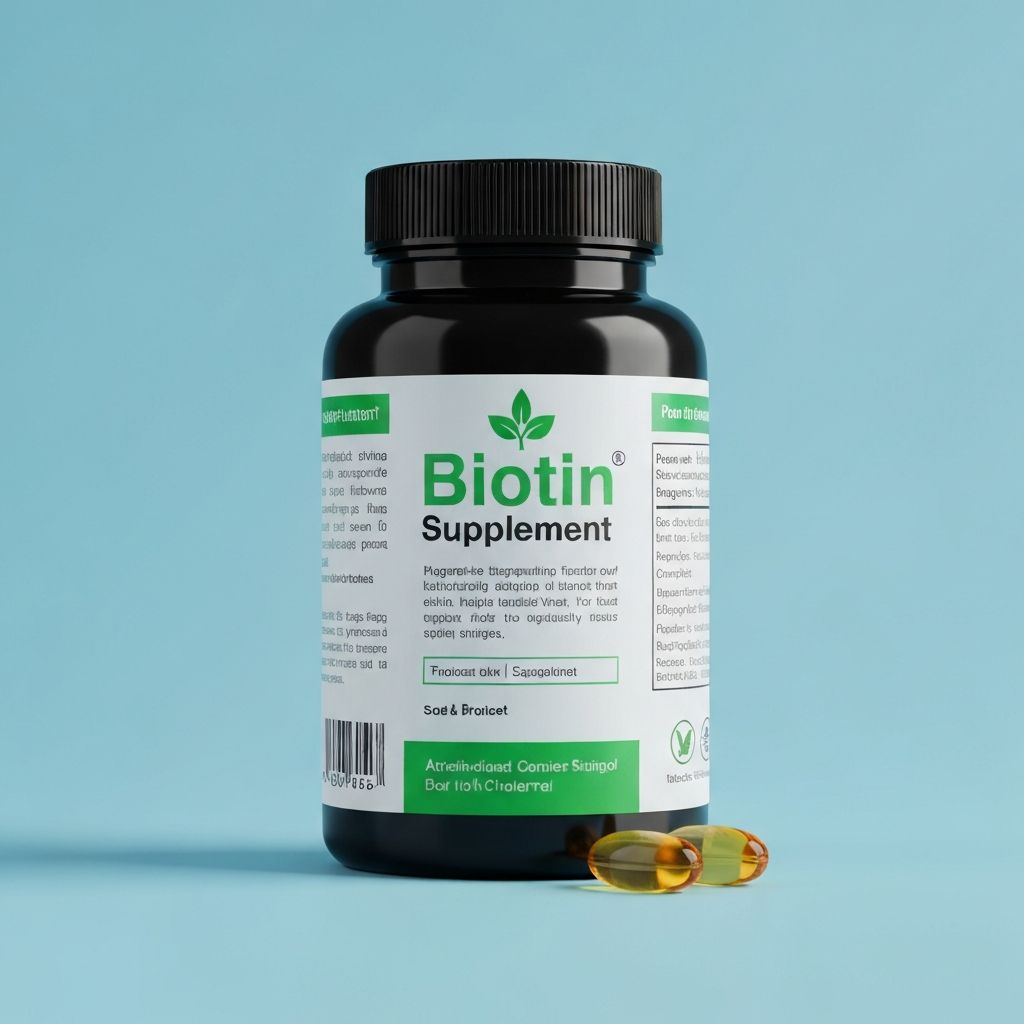
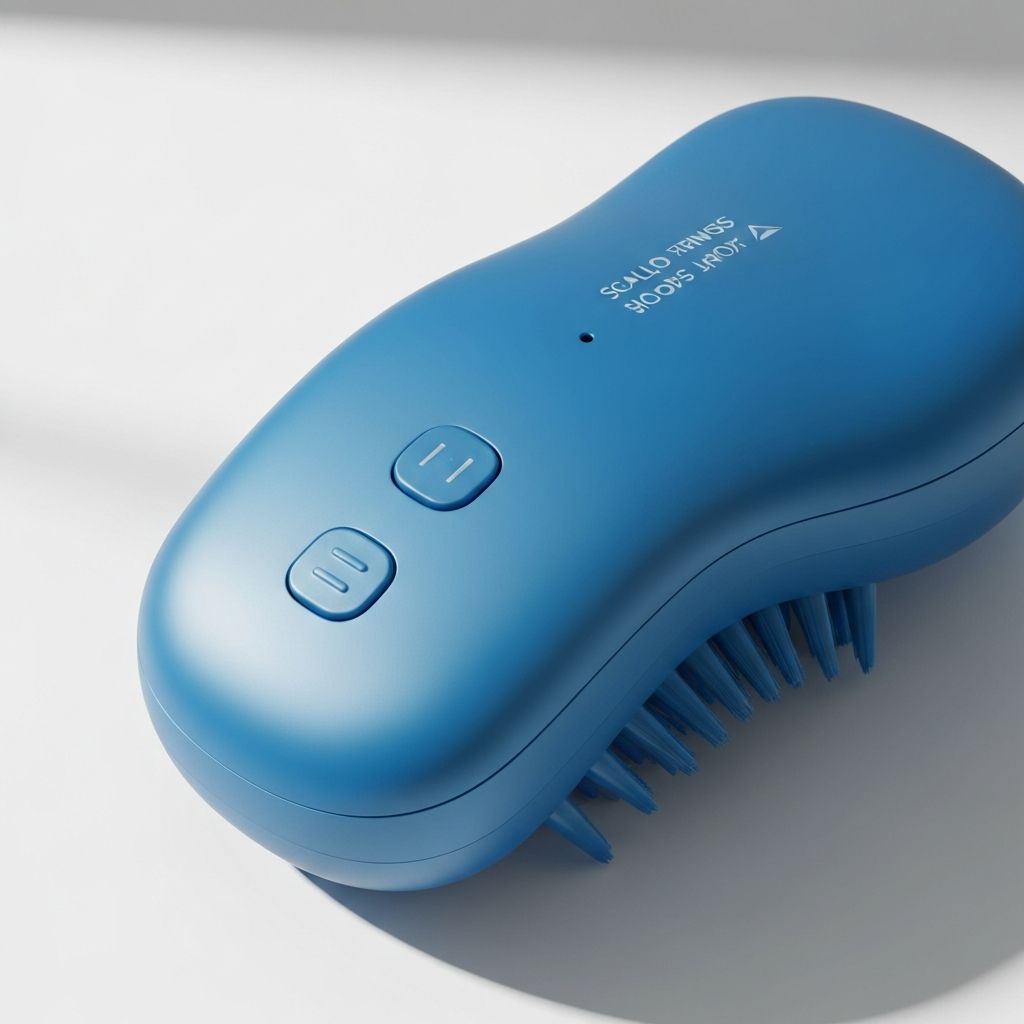
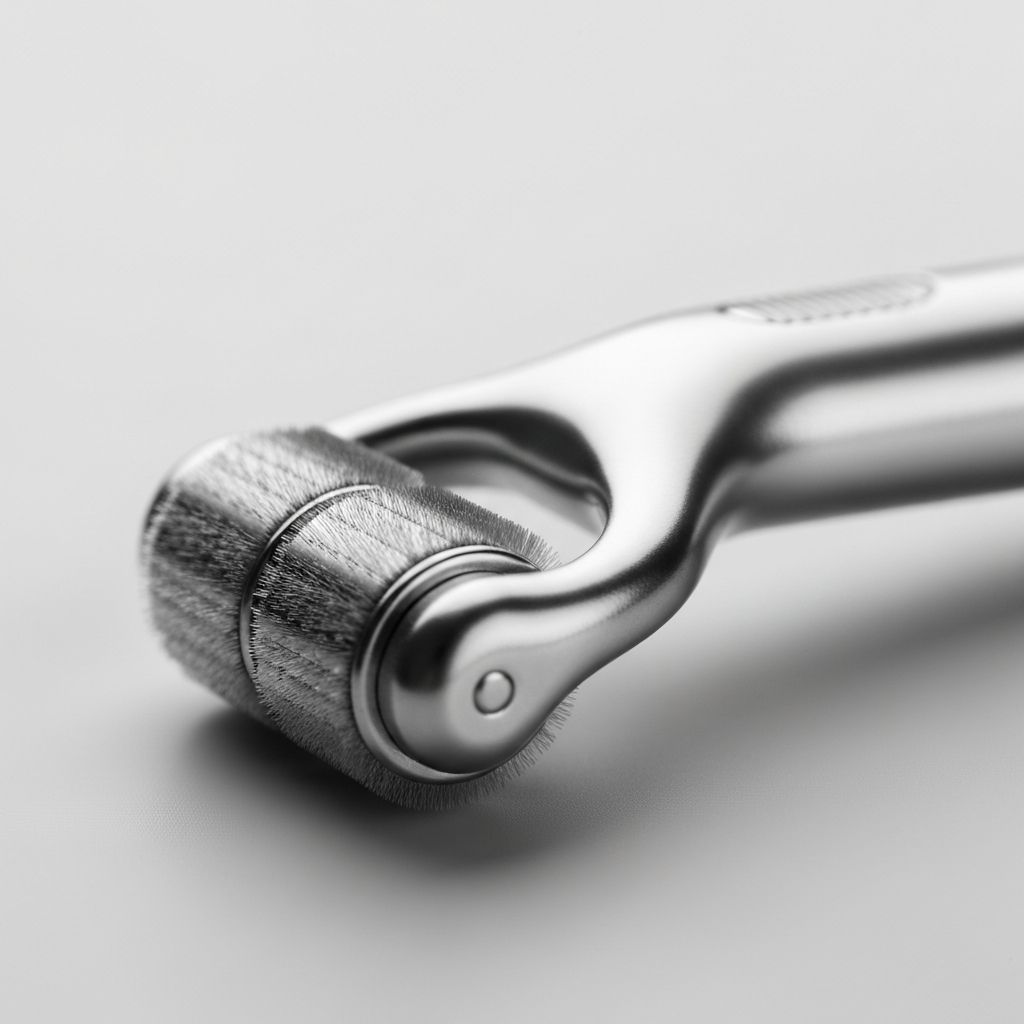
Nothing worked. Or at least, nothing worked well enough to justify the time, money, and hope I kept pouring into dead ends.
By month six of this hair loss journey, I was exhausted. Frustrated. And starting to accept that maybe I'd just have to live with thinning hair.
But something in me refused to surrender.
The Reframe: What If Hair Loss Isn't What We Think It Is?
The breakthrough came when I stopped searching for "hair loss cure" and started researching cellular health.
What if my hair follicles weren't dying or broken? What if they were just... tired?
They're not dead. They're dormant.
I went down a new research rabbit hole, this time focused on the biology of hair follicles. Here's what I learned: your hair doesn't grow continuously. It goes through cycles—a growth phase (anagen), a transition phase (catagen), and a resting phase (telogen). When follicles are healthy and energized, they spend most of their time in the active growth phase. But when they're stressed, inflamed, or energy-depleted, they slip into the resting phase prematurely.
The Old Belief
Hair follicles are dying
Genetics = game over
The Truth
The New Understanding
Follicles are dormant
Energy deficit = solvable
The Analogy That Made It Click
It's like a phone going into low-power mode. The function is still there—the hardware works—it just needs to be recharged.
The problem is that hair follicles run on cellular energy, specifically something called ATP, which is produced by the mitochondria inside your cells. When your follicles don't have enough ATP, they can't do their job. They go dormant to conserve energy. And that's when hair stops growing and starts shedding more than it should.
The Root Cause:
Cellular Energy Deficit
Not genetics. Not damage. Just exhausted cells that need recharging.
This was the first explanation that actually made sense to me. It wasn't about accepting genetic doom. It wasn't about covering up symptoms with drugs or surgery. It was about addressing the root cause: a cellular energy deficit.
But how do you recharge cells?
The NASA Discovery: When Science Fiction Becomes Science Fact

The Accidental Discovery
In 1967, a Hungarian physician named Endre Mester was conducting experiments on mice. He wanted to see if low-power lasers could cause cancer. He shaved the backs of the mice, divided them into two groups, and exposed the treatment group to low-level laser light.
The result was not what he expected.
The laser didn't cause cancer. Instead, the hair on the treated mice grew back significantly faster than the control group. It was thick, healthy, and accelerated beyond normal growth rates.
Dr. Mester had accidentally discovered photobiomodulation—the use of specific wavelengths of light to stimulate biological processes at the cellular level.
NASA's Validation
Fast forward to the 1990s. NASA was funding research on how to grow plants during long-duration space missions. They were experimenting with red LED lights to stimulate photosynthesis. During these experiments, scientists noticed something unexpected: minor cuts and abrasions on their own hands and arms healed noticeably faster when exposed to the same red LED lights they were using for plants.
NASA funded further research, and over the next two decades, hundreds of studies confirmed what Mester and the NASA scientists had stumbled upon: specific wavelengths of red light can penetrate the skin, be absorbed by mitochondria in your cells, and increase ATP production—the energy currency your cells need to function.
"This wasn't wellness woo-woo. This was peer-reviewed, NASA-validated research into cellular regeneration."

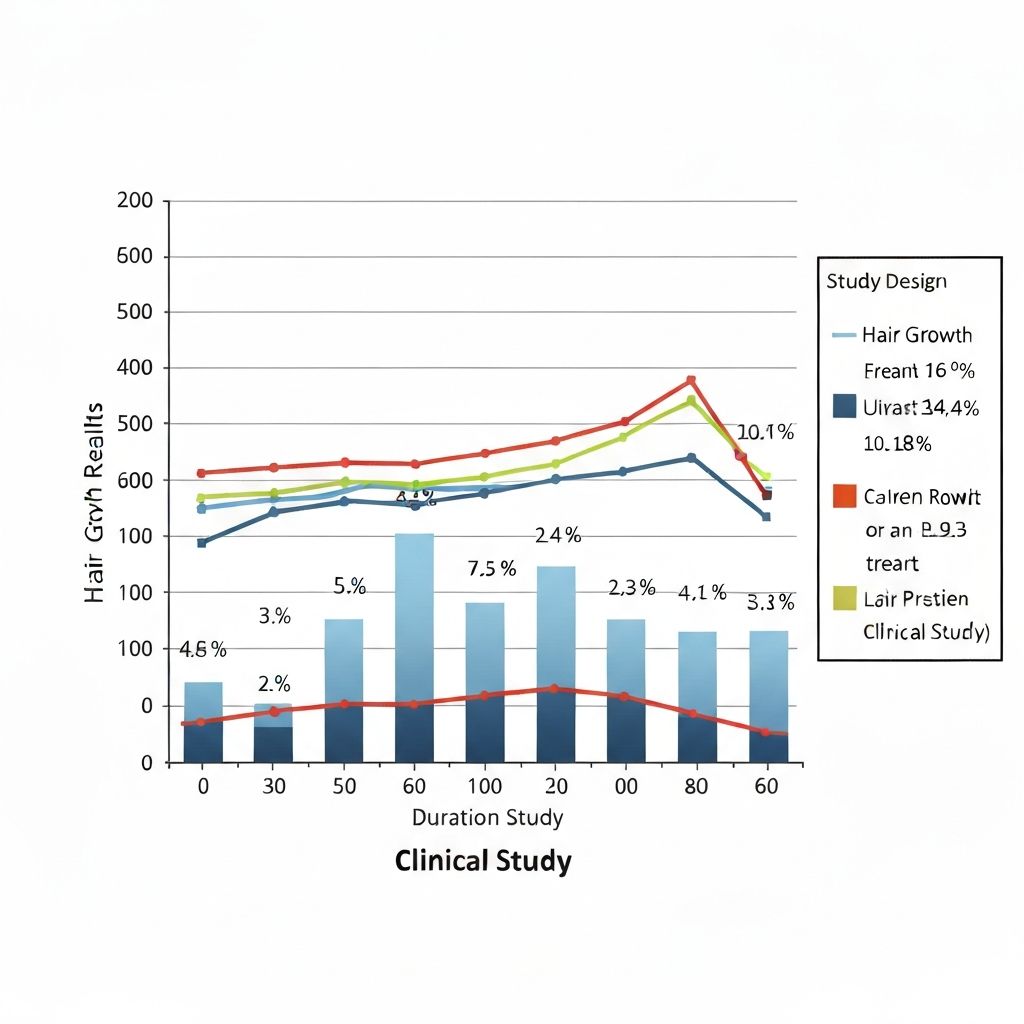
Clinical Proof
And it worked on hair follicles.
Multiple clinical studies showed that red light therapy, specifically at 650 nanometers, could increase blood flow to the scalp, reduce inflammation, lower DHT levels (the hormone that shrinks follicles), and most importantly—wake dormant follicles back up by giving them the energy they needed to re-enter the growth phase.
I remember reading this research late one night and feeling something I hadn't felt in months: hope.
The Market Problem: Great Science, Terrible Products
Once I understood the science behind red light therapy for hair growth, I started looking at the actual devices on the market. They existed. Plenty of them. But they all had the same fatal flaw.
The Market Problem
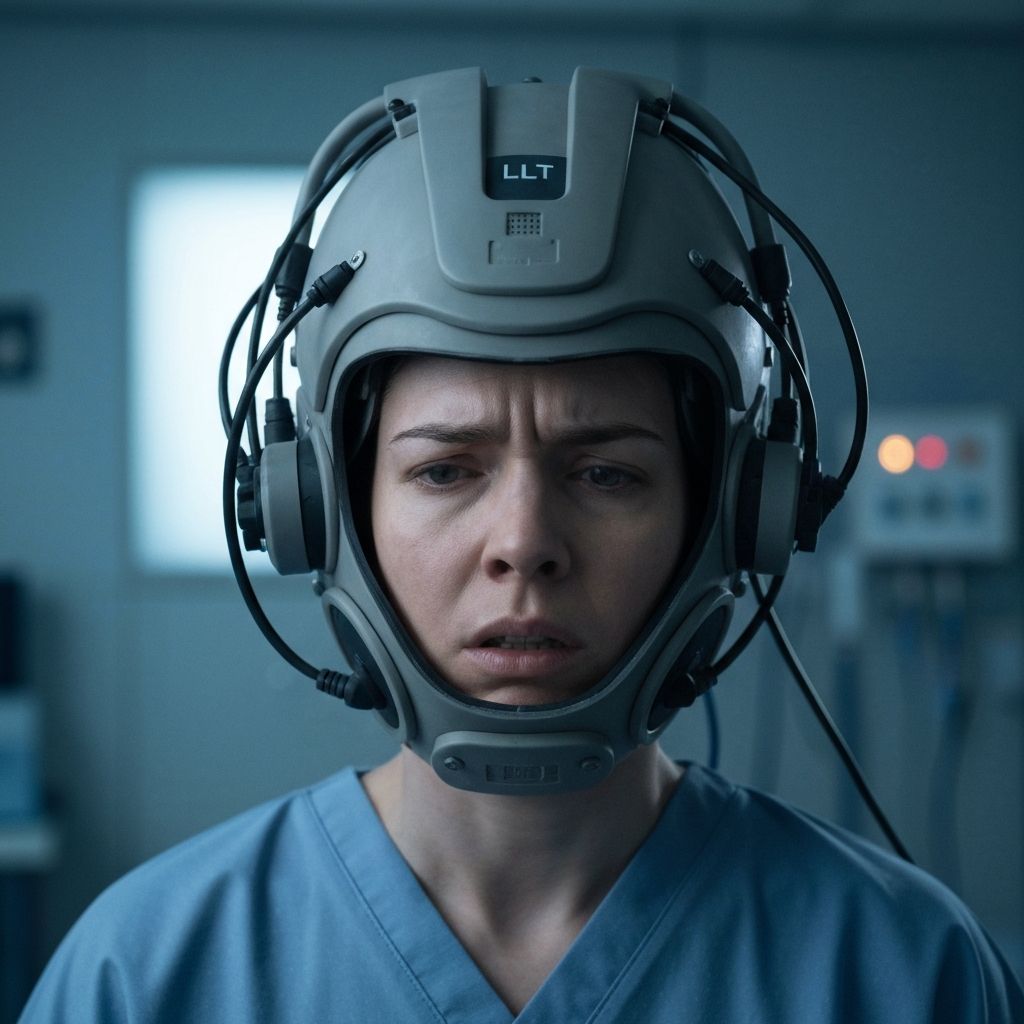
- Looks like medical equipment
- Heavy and uncomfortable
- 20-30 minute sessions
- Can't leave the house
- 25% restocking fees
- Poor customer service
What I Needed

- Stylish and discreet
- Comfortable to wear
- Only 10 minutes
- Wear anywhere in your home
- Real guarantee
- Trusted brand
I couldn't see myself actually using the bulky helmets consistently. And consistency, I knew from the research, was everything. If it wasn't convenient, I'd give up—just like I did with every other solution.
But the bigger red flag was the guarantees. Almost every company offered a "money-back guarantee"—but buried in the fine print was a 20% to 25% restocking fee. These companies clearly didn't stand behind their products.
I closed my laptop again, frustrated. I'd finally found a solution that made scientific sense, and the market had ruined it with bad design and predatory return policies.
I was ready to give up. And then I discovered that LumiRoot had entered the space.
The Solution: When Wellness Meets Science
I already knew LumiRoot. Their brand stood for something: combining cutting-edge technology with beautiful design, making high-performance wellness tools that you'd actually want to use.
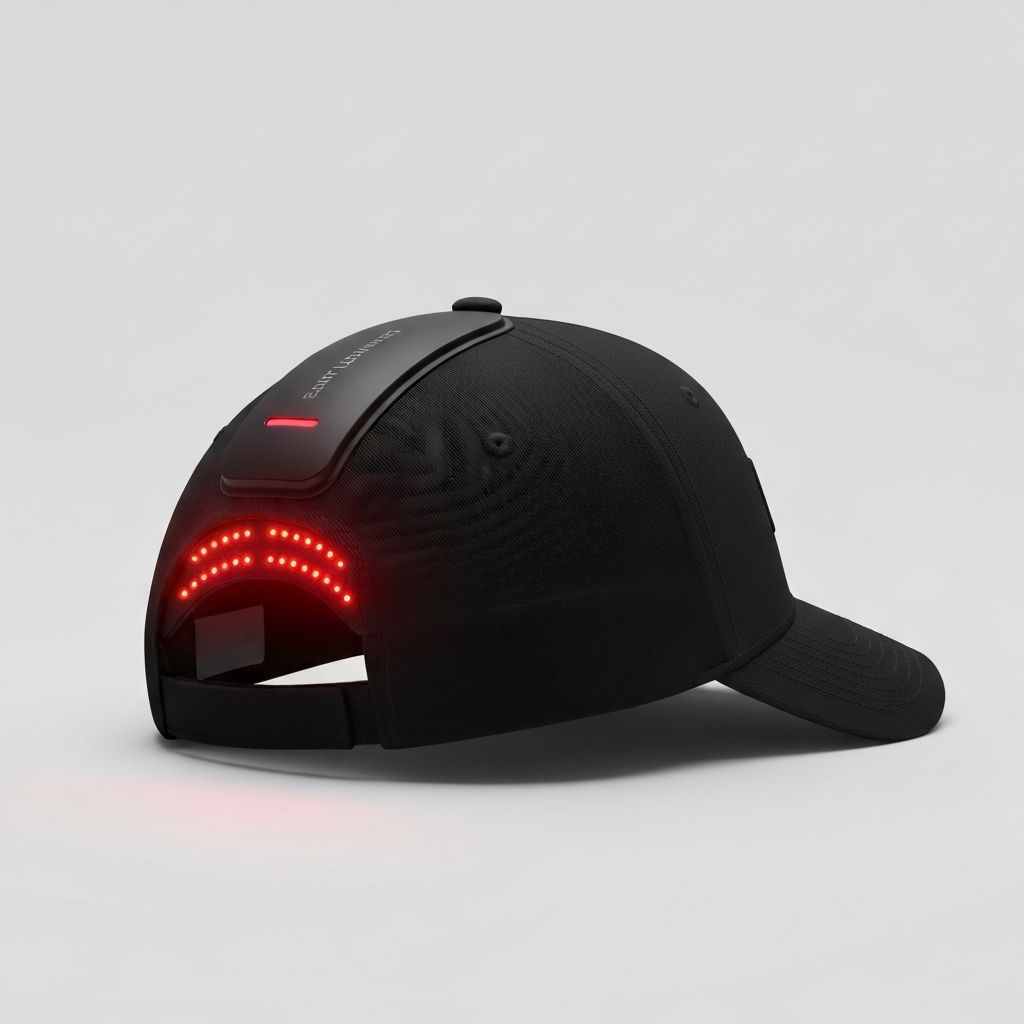
The LumiRoot Red Light Hat
Finally, a solution that fits your life
First impression? It looks like a baseball cap. Not a clunky medical helmet. An actual, stylish black baseball cap that you could wear while making coffee, working at your desk, or walking around your house. This was the missing piece. This was a device I could actually see myself using every single day.
12-Month Money-Back Guarantee
Zero restocking fees. No questions asked. No hassle.
Unlike competitors who charge 25% fees...
That level of transparency and customer trust is rare. And it told me everything I needed to know about whether they believed in what they were selling.
$1,050 one-time or as low as $95/month • FSA/HSA Eligible
My Experience: The First 20 Weeks
Building the Ritual
When the hat arrived, setup was simple. I started incorporating it into my morning routine. I'd put the hat on, press start, and make my coffee while the red LEDs did their work. Ten minutes passed quickly—I'd listen to a podcast or scroll through emails.
It was the easiest "treatment" I'd ever committed to because it didn't feel like a treatment at all. It felt like a wellness ritual.
The First Sign
About three weeks in, I noticed something subtle. There was less hair in my shower drain. Not a dramatic difference—but noticeable.
I thought I might be imagining it. But over the next few days, I kept checking, and the pattern held. Something was shifting.
The Evidence
By week eight, the change was undeniable. My hair shedding had significantly decreased. My hairstylist noticed during my next cut. "Your hair feels thicker," she said.
But the most exciting thing was what I saw along my hairline: baby hairs. Dozens of them. Little wisps of new growth that hadn't been there before.
My follicles were waking up.
The Transformation
By month five, I wasn't just maintaining my hair—I was improving it. The texture was different. Stronger, less brittle, healthier. When I styled my hair, it had body and movement it hadn't had in years.
"I'm slowly gaining confidence back. I'm excited every day when I wake up to see a fuller head of hair rather than cringing at the mirror."
The Long Game
I'm now six months in and still using the Red Light Hat 5 times per week. My hair continues to improve. More importantly, I understand now that this isn't a quick fix—it's maintenance. Just like I wouldn't stop working out once I got in shape, I won't stop using red light therapy now that my hair is healthy.
And honestly? It's so easy that it doesn't feel like an effort. Ten minutes, five times a week. That's it.
Why It Actually Works: The Science Made Simple
What it does
Delivers 650nm red light directly to your scalp through 120 medical-grade LED diodes
How it works
This wavelength penetrates your skin and is absorbed by the mitochondria inside your hair follicle cells
The result
Mitochondria produce more ATP—the fuel your cells need to function optimally
The outcome
Hair follicles shift from resting phase back into active growth phase
Here's what makes this different from every other solution:
Red Light Therapy:
Recharges your follicles' natural ability to grow hair. Not manipulating your body or fighting against it—giving your cells what they need to function optimally.
It's the difference between whipping a tired horse to make it run faster versus feeding it and letting it rest.
One approach is sustainable. The other isn't.
The Simple Truth: Your Hair Deserves Better Options
Here's what I wish someone had told me when I first noticed my hair thinning: You don't have to choose between dangerous drugs, expensive surgery, or doing nothing.
Finasteride
Minoxidil
Hair Transplant
Red Light Hat
| Solution | Cost | Side Effects | Time Commitment | Results Timeline | Guarantee |
|---|---|---|---|---|---|
| Finasteride | $20-60/mo forever | ⚠️ Sexual dysfunction risk | Daily pill | 3-6 months | N/A |
| Minoxidil | $30-50/mo forever | ⚠️ Scalp irritation | 2x daily application | 4-6 months | N/A |
| Hair Transplant | $10K-25K one-time | ⚠️ Scarring, pain | Surgery + recovery | Immediate but limited | N/A |
| Red Light Hat | $1,050 one-time | None | 10 min/day | 3-6 months | 12 months |
There's a fourth option—one backed by NASA-validated science, proven in clinical studies, and designed to work with your body instead of against it.
What Others Are Saying
"After 5 months of using red light therapy, my hair is fuller, and I feel years younger. The baby hairs coming in along my hairline were the first sign that this was actually working."
Sarah M., 34
Is the LumiRoot Red Light Hat Right For You?
This isn't for everyone. Here's who will benefit most—and who should look elsewhere.
This is for you if:
- You're experiencing early to moderate hair thinning or loss
- You want a science-backed, FDA-cleared solution
- You're tired of pharmaceutical side effects
- You can commit to 10 minutes per day, 5x per week
- You value your health and are willing to invest in long-term wellness
- You want something that fits seamlessly into your daily routine
- You're looking for a non-invasive, drug-free approach
This is NOT for you if:
- You have complete baldness (alopecia totalis)
- You want instant results without any consistency
- You're looking for a magic pill or overnight transformation
- You're unwilling to commit to a 12-week minimum trial period
- You prefer pharmaceutical interventions despite the side effects
- You're not interested in preventative, long-term maintenance
The Bottom Line
If you're someone who values science-backed wellness solutions, prefers non-invasive approaches, and is willing to commit to consistent use—this was designed for you. If you identified with any of the "This is for you" statements above, you're exactly the person who will see results.
Yes, This Is For MeAddressing Every Concern You Might Have
Try the LumiRoot Red Light Hat Risk-Free for 12 Months
You deserve to feel confident when you look in the mirror.
- 120 medical-grade LED diodes
- FDA-cleared technology
- 12-month guarantee, zero fees
- Free shipping
- FSA/HSA eligible
- Payment plans from $95/mo
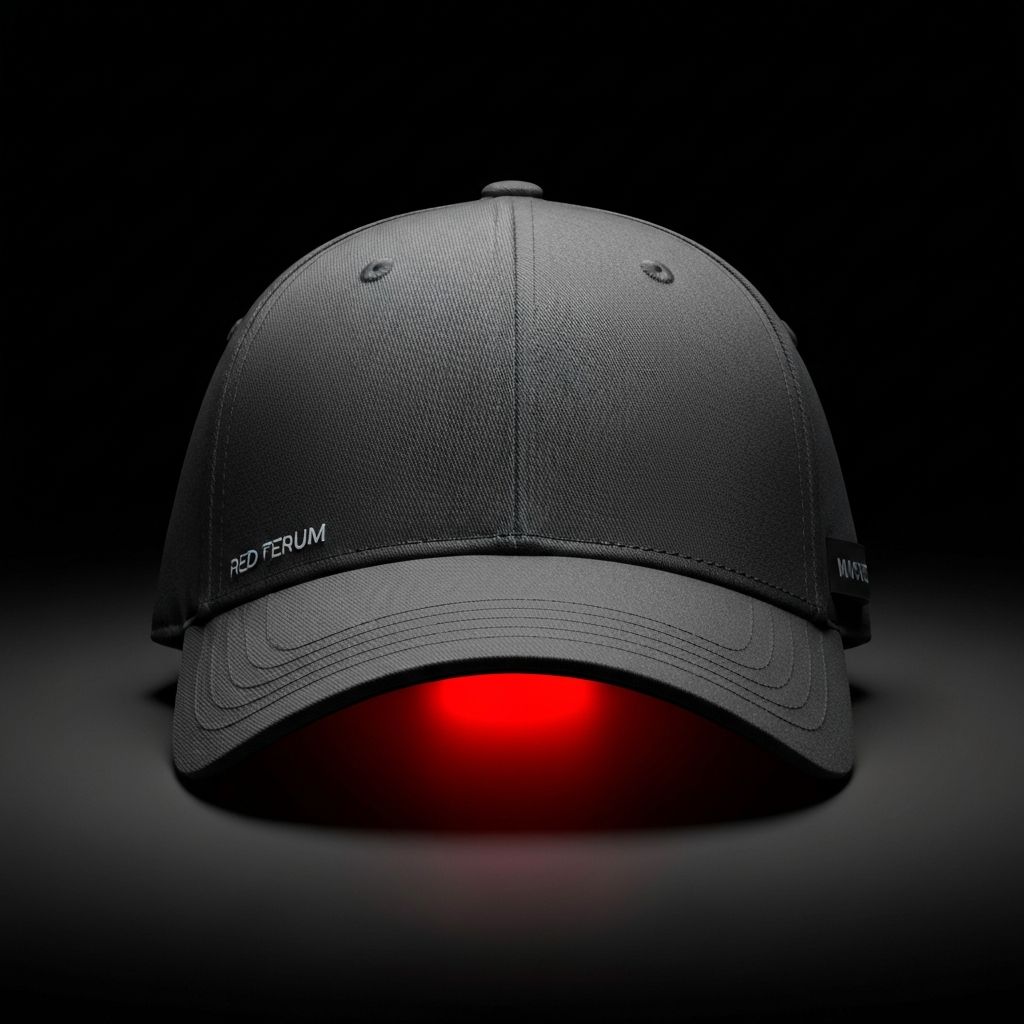
You deserve to feel confident when you look in the mirror. You deserve a solution that works without compromising your health. You deserve to stop watching your hair thin and start watching it thrive.
This is it.
As Featured In